Building Bridges for Climate Intervention: SRM Conference
July 24, 2025
As climate change intensifies, solar radiation management (SRM) is emerging as a potential climate intervention approach, drawing increasing global attention and sparking extensive discussion across scientific, ethical, and policy domains. To foster academic exchange and promote international collaboration in this field, an academic symposium was successfully held in Xi'an, China, from July 21 to 23, 2025, in a hybrid format combining both in-person and virtual participation.
The event was jointly organized by Xi'an Thermal Power Research Institute Co., Ltd. and the IGU Commission on Geography and Sustainability. The conference, titled "Solar Radiation Management: Technologies, Impacts, and Global Governance," focused on the latest developments in SRM, exploring its environmental and social effects, challenges, and opportunities for international cooperation in climate governance. It brought together more than 30 experts and scholars from various countries and regions.
Experts emphasized the importance of a holistic approach that balances energy development with climate impact, and called for deeper integration between academic research and engineering practice. The dynamic exchange of ideas fostered diverse perspectives and offered new pathways for advancing SRM research.
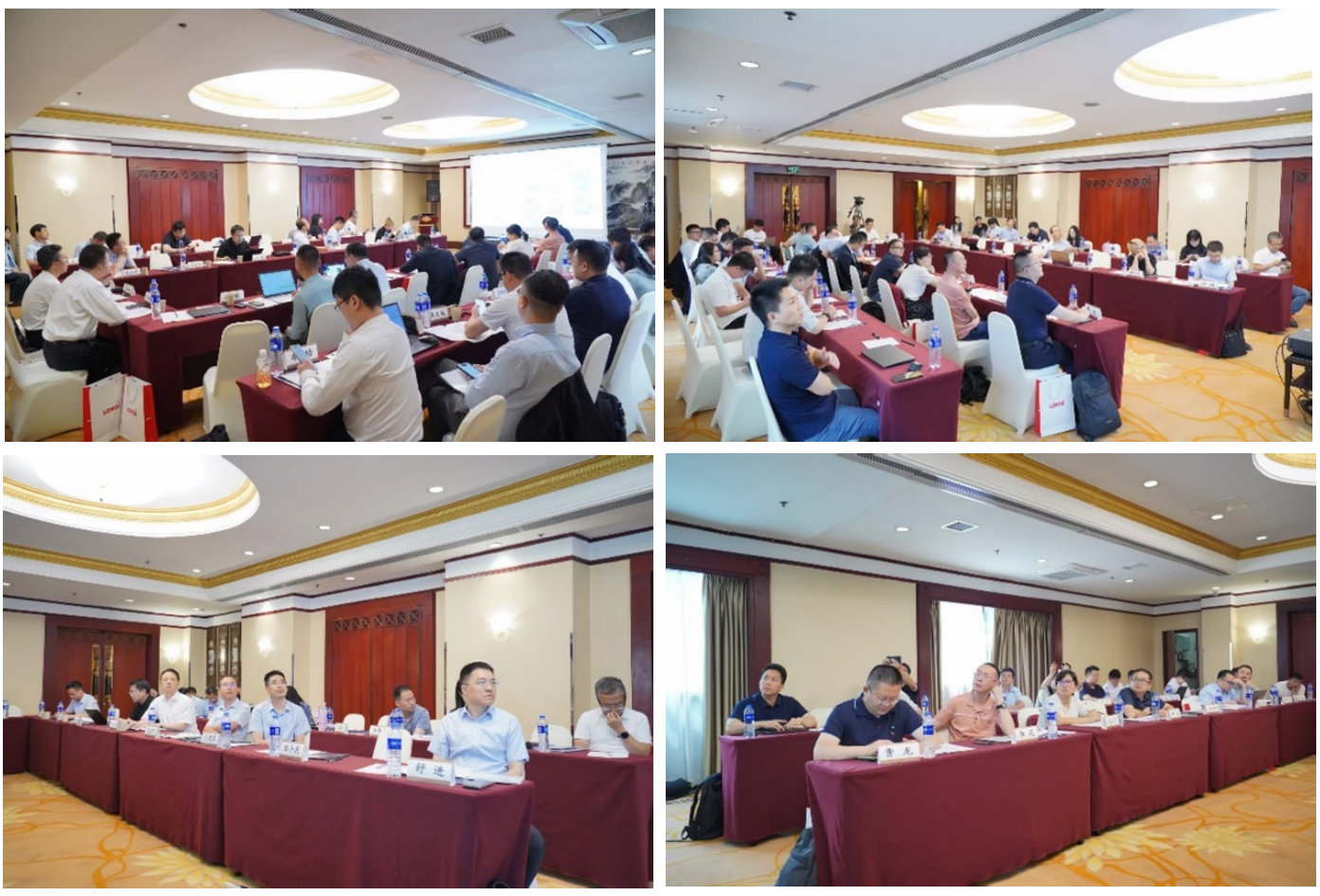
Scholars attending a thematic presentation on solar radiation management
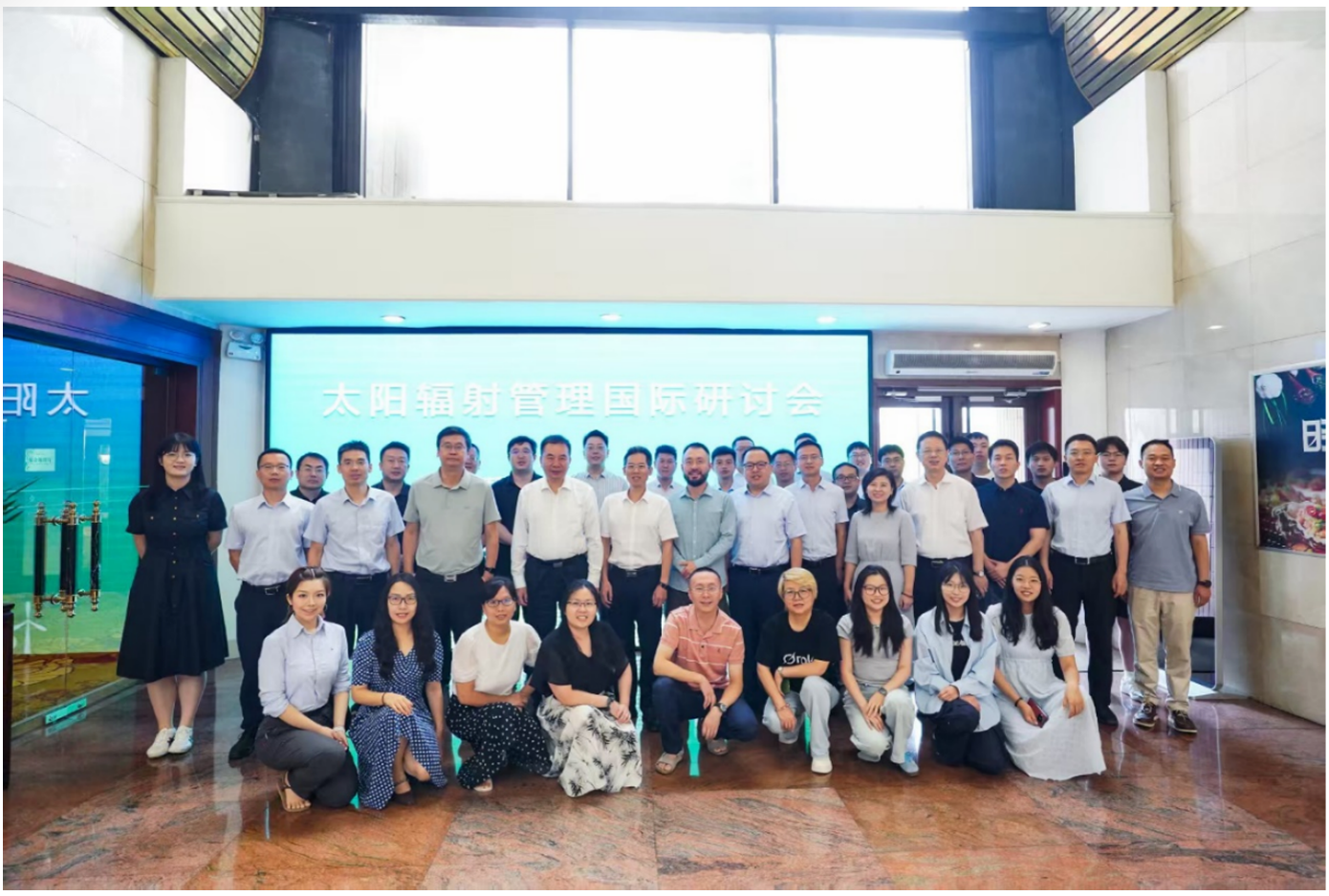
Group photo of on-site participants